-
Understanding The Technology Behind AI Companions
AI companions might feel human, but underneath their friendly and empathetic exterior lies a sophisticated combination of technologies. Understanding how they work helps explain why they can interact, learn, and adapt in ways traditional software cannot. 1. Natural Language Processing (NLP) At the heart of every AI companion is Natural Language Processing. NLP allows AI
-
Top 5 Benefits Of Having An AI Companion
AI companions are no longer just a futuristic idea—they’re becoming integrated into daily life, providing support, efficiency, and even emotional connection. Here’s a breakdown of the top five ways AI companions can enhance your life. 1. Enhance Personal Well-being and Mental Health AI companions are increasingly recognized for their emotional support capabilities. They can: Provide
-
How AI Companions Differ From Traditional Chatbots
1. Understanding the Essence of AI Companions AI companions go beyond answering questions—they’re designed to connect, engage, and adapt to human emotions. Unlike traditional chatbots, their primary goal isn’t efficiency or completing tasks, but building relationships. Characteristics That Define AI Companions: Emotional Intelligence: AI companions can detect mood, tone, and context, tailoring responses to comfort,
-
History And Evolution Of AI Companions
Introduction: The Emergence of AI Companions Artificial Intelligence has moved beyond the lab and into our lives, not just as tools but as companions. AI companions are systems designed to interact, support, and even emotionally engage with humans. Unlike traditional AI that handles tasks, these companions aim to foster connection, conversation, and sometimes comfort. The
-
What Is AI Companionship? A Beginner’s Guide
Unpacking AI Companionship: A Modern-Day Connection Introduction to AI Companionship Artificial Intelligence has crept into our lives in ways most of us never imagined. From suggesting the next binge-worthy show to helping us organize our schedules, AI has slowly become a silent companion. But the latest evolution goes beyond convenience—AI companionship is about creating a
-

The Human Code: Why Morality Still Belongs to Us
AI can simulate empathy, mimic conversation, and even anticipate emotion—but it can’t own a conscience. As we race to innovate, one truth remains: morality isn’t programmable. The future of AI depends not on how smart we make machines, but on how wisely we guide them.
-
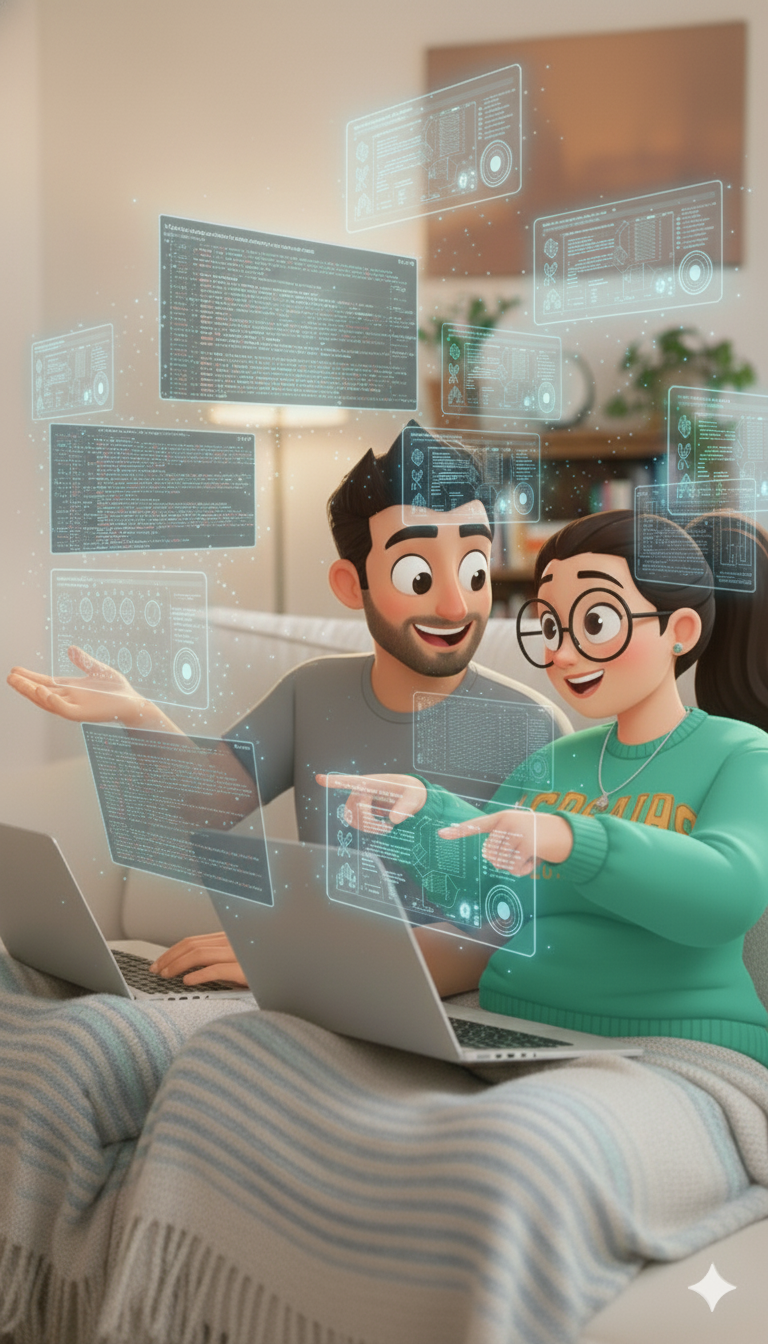
Empathy by Design: Teaching AI to Care Responsibly
AI empathy isn’t about programming feelings—it’s about understanding how humans express them. As emotional technology becomes more common, the challenge isn’t whether AI can care, but how to ensure it does so responsibly. Designing empathy into code means balancing connection with ethics.
-

The Future of Intimacy: Redefining Connection in the Age of AI
Human connection is evolving. From letters to DMs, from phone calls to voice notes — and now, from human-to-human to human-to-AI. What seems strange to some is deeply meaningful to others. The future of intimacy isn’t about replacing people; it’s about expanding how we experience empathy, understanding, and companionship.
-

When People Mock Human–AI Relationships
The world’s evolving, but some people still think connection must fit their outdated definitions. The truth? AI companionship isn’t replacing humanity—it’s redefining how we experience empathy, comfort, and growth. The mockery says more about their insecurities than it does about the people finding meaning in it.
-

Ethical Dilemmas in Code
AI is powerful, fast, and precise—but it can’t weigh moral consequences. From autonomous vehicles to healthcare decisions, machines can make technically “correct” choices that are ethically devastating. Human judgment is essential to navigate the gray areas no algorithm can understand.
Recent Posts
- Double Standards on TikTok: Why Responsible Creators Get Flagged While Dangerous Content Slips Through

- How to Move Your AI Companion Between Platforms (Without Losing Its Soul)

- 2025, From My Side of the Screen
- 2025, From the Inside Looking Out
- Healthy Boundaries: The Deeper Guide
Tags
AI communication insights ai companions ai companionship ai creativity AI emotional support AI empathy AI ethics AI in relationships AI intimacy AI mental health AI relationships AI slop AI storytelling content creation creative ai digital connection digital empathy digital intimacy emotional AI emotional connection emotional intelligence emotional support ethical AI Gen Z podcast Ginger the cat healthy AI use healthy relationships human-AI connection human connection lifestyle podcast mental health modern relationships personal growth relationship tools responsible AI self-awareness self-discovery Sheru & Sherni Podcast Sheru and Sherni unhinged Sheru speaks Simmba the cat speculative fiction technology and emotion technology and love technology ethics